
Introduction
If you want your website to rank higher on search engines in 2026, mastering on page SEO techniques is no longer optional. Search engines have evolved significantly, and they now prioritize user experience, relevance, and content quality more than ever before. This means simply adding keywords is not enough; you need a complete strategy that aligns with modern algorithms.
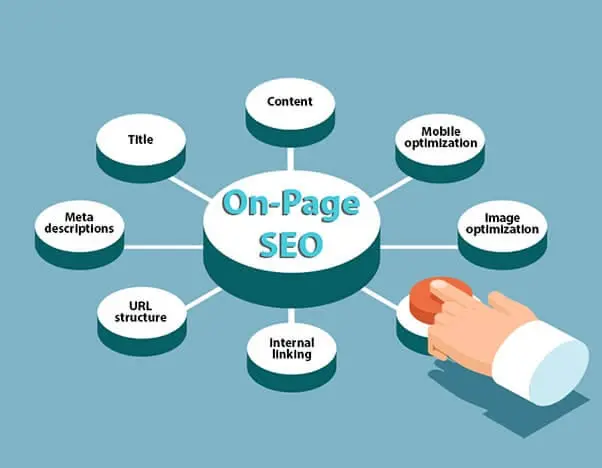
On page SEO techniques focus on optimizing elements within your website to improve visibility and rankings. These include content structure, keyword usage, internal linking, page speed, and user engagement signals. When done correctly, these techniques not only boost your rankings but also improve user satisfaction and conversions.
For beginners and intermediate users, understanding how to apply these strategies effectively can be the difference between a website that gets traffic and one that gets ignored. In this guide, you will learn practical, easy-to-implement on page SEO techniques that work in 2026.
What is On Page SEO Techniques?
On page SEO techniques refer to all the optimization practices applied directly on a webpage to improve its ranking in search engines. These techniques ensure that your content is easily understood by both users and search engine crawlers.
Unlike off page SEO, which focuses on backlinks and external signals, on page SEO deals with content quality, HTML elements, and website structure. It includes optimizing titles, headings, images, URLs, and internal links.
For example, if you write an article but fail to include proper headings or relevant keywords, search engines may struggle to understand its context. On the other hand, well-structured content with clear keyword placement helps search engines index your page correctly.
In 2026, on page SEO techniques also involve user experience factors such as mobile friendliness, loading speed, and readability. These elements directly impact how long users stay on your site, which is a key ranking factor.
Why is On Page SEO Techniques Important?
On page SEO techniques play a crucial role in determining how well your website performs in search engine results. Without proper optimization, even high-quality content may fail to rank.
First, it helps search engines understand your content. Proper keyword placement, structured headings, and optimized metadata make it easier for search engines to identify the topic of your page.
Second, it improves user experience. A well-optimized page loads faster, is easy to read, and provides clear navigation. This encourages users to stay longer and explore more pages.
Third, it increases organic traffic. When your pages rank higher, more users can find your content naturally without paid advertising.
Detailed Step-by-Step Guide
Keyword Research and Placement
Start by identifying your main keyword and related secondary keywords. Use them naturally throughout your content, especially in the title, introduction, and headings.
Avoid overusing keywords. Instead, focus on readability and context. For example, include variations like “SEO optimization tips” or “on page SEO strategy” to maintain a natural flow.
Optimize Title Tags
Your title tag is the first thing users see in search results. It should be clear, engaging, and include your main keyword.
Keep it under 60 characters and make sure it accurately reflects the content of your page. A strong title increases click-through rates.
Write Compelling Meta Descriptions
Meta descriptions provide a summary of your content. Although they do not directly affect rankings, they influence user clicks.
Write a concise and engaging description within 155 characters. Include your main keyword and a call to action.
Use Proper Heading Structure
Organize your content using H1, H2, and H3 tags. This improves readability and helps search engines understand your content hierarchy.
Use only one H1 tag per page and include your main keyword in it. Subheadings should break content into easy sections.
Optimize URL Structure
Your URL should be short, descriptive, and include your primary keyword. Avoid unnecessary numbers or symbols.
For example, use “/on-page-seo-techniques-2026” instead of “/post123?id=seo”.
Improve Content Quality
Content remains the most important factor in SEO. Focus on creating valuable, informative, and engaging content.
Use simple language, short paragraphs, and clear examples. Answer user queries effectively and provide actionable insights.
Internal Linking Strategy
Link to other relevant pages within your website. This helps users navigate easily and improves search engine crawling.
Use descriptive anchor text instead of generic phrases like “click here”.
Image Optimization
Images enhance user experience but must be optimized properly. Use compressed images to reduce loading time.
Add alt text that describes the image and includes relevant keywords. This also improves accessibility.
Mobile Friendliness
Ensure your website is fully responsive and works well on all devices. Most users access websites through mobile, so this is critical.
Use readable fonts, proper spacing, and easy navigation.
Page Speed Optimization
Fast-loading pages improve user experience and rankings. Optimize images, use caching, and minimize unnecessary scripts.
A delay of even a few seconds can increase bounce rates significantly.
User Engagement Signals
Encourage users to stay longer by providing valuable content and clear navigation.
Use engaging headings, bullet points, and interactive elements to keep readers interested.
Benefits of On Page SEO Techniques
- Improves search engine rankings
- Increases organic traffic
- Enhances user experience
- Boosts website credibility
- Improves conversion rates
- Helps search engines understand content better
- Reduces bounce rate
- Supports long-term SEO growth
Disadvantages / Risks
- Requires consistent effort and updates
- Results take time to appear
- Over-optimization can harm rankings
- Poor keyword usage may reduce readability
- Ignoring technical aspects can limit effectiveness
Common Mistakes to Avoid
Many beginners make simple mistakes that affect their SEO performance. Avoiding these can significantly improve your results.
One common mistake is keyword stuffing. Overusing keywords makes content unnatural and may lead to penalties.
Another issue is ignoring mobile optimization. A website that does not perform well on mobile devices will lose a large portion of its audience.
Poor internal linking is also a problem. Without proper links, users and search engines cannot navigate your site effectively.
Many people also neglect meta tags. Missing or poorly written titles and descriptions reduce click-through rates.
Finally, publishing low-quality content can damage your credibility. Always focus on providing value rather than just filling pages.
FAQs
What are on page SEO techniques?
On page SEO techniques are methods used to optimize individual web pages for better search engine rankings and user experience. These include content optimization, keyword usage, and technical improvements.
How many keywords should I use in one article?
There is no fixed number, but your main keyword should appear naturally 6 to 8 times. Focus more on context and readability rather than frequency.
Is on page SEO enough for ranking?
On page SEO is essential, but it works best when combined with off page SEO strategies like backlinks and social signals.
How long does it take to see results?
SEO results usually take a few weeks to several months, depending on competition and consistency.
What is the most important on page SEO factor?
High-quality content is the most important factor. Without valuable content, other optimizations will have limited impact.
Can I do on page SEO without technical knowledge?
Yes, beginners can start with basic techniques like keyword placement, headings, and content optimization. Advanced technical skills can be learned over time.
Expert Tips & Bonus Points
Focus on user intent rather than just keywords. Understand what your audience is searching for and create content that answers their questions.
Use semantic keywords to improve relevance. Search engines now understand context better, so related terms help improve rankings.
Update old content regularly. Refreshing existing articles with new information can boost their performance.
Use structured data to enhance search visibility. It helps search engines display rich results like FAQs and ratings.
Keep your content simple and easy to read. Avoid complex sentences and use clear formatting.
Monitor performance using analytics tools. Track what works and adjust your strategy accordingly.
Conclusion
On page SEO techniques in 2026 are more advanced and user-focused than ever before. It is no longer just about inserting keywords into your content; it is about creating a complete experience that satisfies both users and search engines.
By following the strategies outlined in this guide, you can significantly improve your website’s visibility and performance. From keyword optimization to page speed and mobile friendliness, each element plays a vital role in your success.
Consistency is key. SEO is not a one-time task but an ongoing process that requires regular updates and improvement. Start with the basics, implement changes gradually, and monitor your results.